

Orthodontics (Braces and Clear Aligner Treatment): Malocclusions, Biomechanical Processes and Clinical Approach
Orthodontics, one of the specialties of dentistry, is the branch of science that diagnoses and treats malpositions of the teeth on the jawbones (crowding), skeletal discrepancies between the upper and lower jaws, and bite (occlusion) disorders. Although it is often perceived in society as merely an aesthetic concern, orthodontic treatments are a comprehensive biomechanical rehabilitation process aimed at preserving chewing function, speech (phonation) ability, and temporomandibular joint (TMJ) health in the long term.
Classification and Etiology of Malocclusions
Bite disorders of the teeth and jaws are called "malocclusion" in medicine. In clinical examination, these disorders are generally evaluated according to the Angle classification:
Class I Malocclusion: A condition in which the mesiobuccal cusp of the upper first molar fits into the buccal groove of the lower first molar, indicating a normal occlusal relationship, but crowding or spacing (diastema) is present in the teeth.
Class II Malocclusion: Discrepancies in which the upper jaw or upper dental arch is positioned ahead of the lower jaw (overbite).
Class III Malocclusion: Skeletal or dental discrepancies in which the lower jaw or lower dental arch is positioned more forward relative to the upper jaw (mandibular prognathism).
When etiological factors are examined, genetically inherited jaw size discrepancies, adjacent teeth tipping into the space due to early loss of primary teeth, and parafunctional habits such as prolonged thumb sucking, pacifier use, or mouth breathing are the main factors leading to malocclusion.
Biomechanical Principle: How Do Teeth Move Within Bone?
Teeth are not structures fused directly to the jawbone (alveolar bone); they are attached to the bony socket by a microscopic network of fibers called the "periodontal ligament". The basic biomechanical principle of orthodontic treatment is the application of a continuous, light, and controlled force to this network of fibers.
When force is transmitted to the tooth through brackets and archwires or clear aligners, cellular breakdown (resorption) begins in the periodontal area in the direction of movement, while new bone formation (apposition) begins in the opposite direction. This cellular adaptation and bone remodeling process requires an average cycle of 3-4 weeks. Therefore, monthly orthodontic check-ups are a clinical necessity to allow the bone tissue to heal physiologically.
Fixed Treatment (Braces) and Clear Aligner Systems
In clinical practice, two basic treatment approaches are used depending on the severity of the malocclusion and the patient’s preferences:
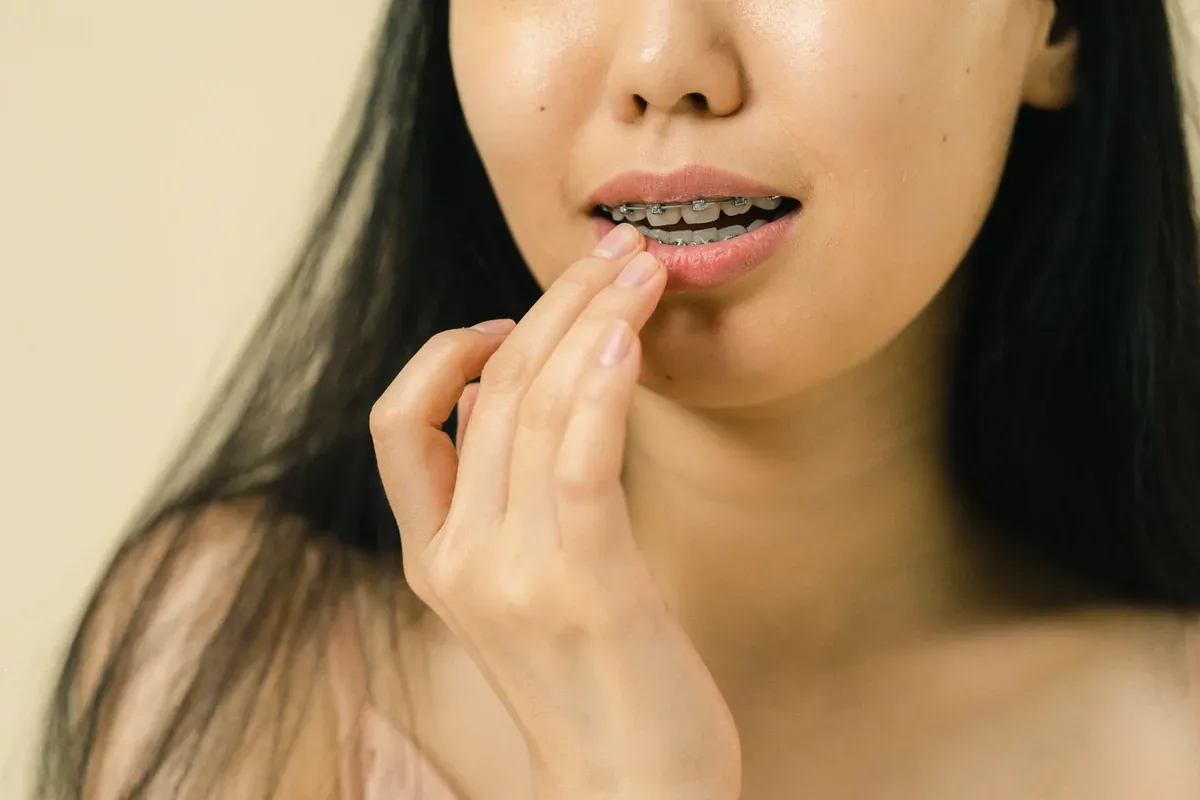
Fixed Orthodontic Treatment (Braces): Carried out with brackets bonded to the teeth using special adhesives and flexible archwires (nickel-titanium and stainless steel wires) that pass through these brackets. It is the primary choice in complex and skeletal cases because it provides the clinician with maximum mechanical control over three-dimensional tooth movements. Brackets may be made of metal or aesthetic porcelain material.
Clear Aligner Treatment (Aligner Systems): Carried out with a series of custom-made thermoplastic clear aligners designed in computer software based on impressions taken with intraoral digital scanners instead of traditional wires. The aligners move the teeth step by step. For difficult rotations or root movements, small composite protrusions called "attachments" are placed on the tooth surface. The patient’s discipline in wearing the aligners for 20-22 hours a day determines the success of the treatment.
Retention (Stabilization) Phase
After orthodontic forces are removed and the teeth are brought to the target position, active treatment ends; however, it takes time for the periodontal ligament fibers and surrounding bone tissue to fully adapt to the new position. To prevent the teeth from returning to their previous crowded positions (relapse), thin fixed wires (fixed retainers) are bonded to the inner surfaces of the teeth and clear retention aligners are provided for nighttime use. The retention protocol is at least as important as the active treatment period to ensure the lasting success of orthodontic treatment.Orthodontics (Braces and Clear Aligner Treatment): Malocclusions, Biomechanical Processes and Clinical Approach
Orthodontics, one of the specialties of dentistry, is the branch of science that diagnoses and treats malpositions of the teeth on the jawbones (crowding), skeletal discrepancies between the upper and lower jaws, and bite (occlusion) disorders. Although it is often perceived in society as merely an aesthetic concern, orthodontic treatments are a comprehensive biomechanical rehabilitation process aimed at preserving chewing function, speech (phonation) ability, and temporomandibular joint (TMJ) health in the long term.
Classification and Etiology of Malocclusions
Bite disorders of the teeth and jaws are called "malocclusion" in medicine. In clinical examination, these disorders are generally evaluated according to the Angle classification:
Class I Malocclusion: A condition in which the mesiobuccal cusp of the upper first molar fits into the buccal groove of the lower first molar, indicating a normal occlusal relationship, but crowding or spacing (diastema) is present in the teeth.
Class II Malocclusion: Discrepancies in which the upper jaw or upper dental arch is positioned ahead of the lower jaw (overbite).
Class III Malocclusion: Skeletal or dental discrepancies in which the lower jaw or lower dental arch is positioned more forward relative to the upper jaw (mandibular prognathism).
When etiological factors are examined, genetically inherited jaw size discrepancies, adjacent teeth tipping into the space due to early loss of primary teeth, and parafunctional habits such as prolonged thumb sucking, pacifier use, or mouth breathing are the main factors leading to malocclusion.
Biomechanical Principle: How Do Teeth Move Within Bone?
Teeth are not structures fused directly to the jawbone (alveolar bone); they are attached to the bony socket by a microscopic network of fibers called the "periodontal ligament". The basic biomechanical principle of orthodontic treatment is the application of a continuous, light, and controlled force to this network of fibers.
When force is transmitted to the tooth through brackets and archwires or clear aligners, cellular breakdown (resorption) begins in the periodontal area in the direction of movement, while new bone formation (apposition) begins in the opposite direction. This cellular adaptation and bone remodeling process requires an average cycle of 3-4 weeks. Therefore, monthly orthodontic check-ups are a clinical necessity to allow the bone tissue to heal physiologically.
Fixed Treatment (Braces) and Clear Aligner Systems
In clinical practice, two basic treatment approaches are used depending on the severity of the malocclusion and the patient’s preferences:
Fixed Orthodontic Treatment (Braces): Carried out with brackets bonded to the teeth using special adhesives and flexible archwires (nickel-titanium and stainless steel wires) that pass through these brackets. It is the primary choice in complex and skeletal cases because it provides the clinician with maximum mechanical control over three-dimensional tooth movements. Brackets may be made of metal or aesthetic porcelain material.
Clear Aligner Treatment (Aligner Systems): Carried out with a series of custom-made thermoplastic clear aligners designed in computer software based on impressions taken with intraoral digital scanners instead of traditional wires. The aligners move the teeth step by step. For difficult rotations or root movements, small composite protrusions called "attachments" are placed on the tooth surface. The patient’s discipline in wearing the aligners for 20-22 hours a day determines the success of the treatment.
Retention (Stabilization) Phase
After orthodontic forces are removed and the teeth are brought to the target position, active treatment ends; however, it takes time for the periodontal ligament fibers and surrounding bone tissue to fully adapt to the new position. To prevent the teeth from returning to their previous crowded positions (relapse), thin fixed wires (fixed retainers) are bonded to the inner surfaces of the teeth and clear retention aligners are provided for nighttime use. The retention protocol is at least as important as the active treatment period to ensure the lasting success of orthodontic treatment.